
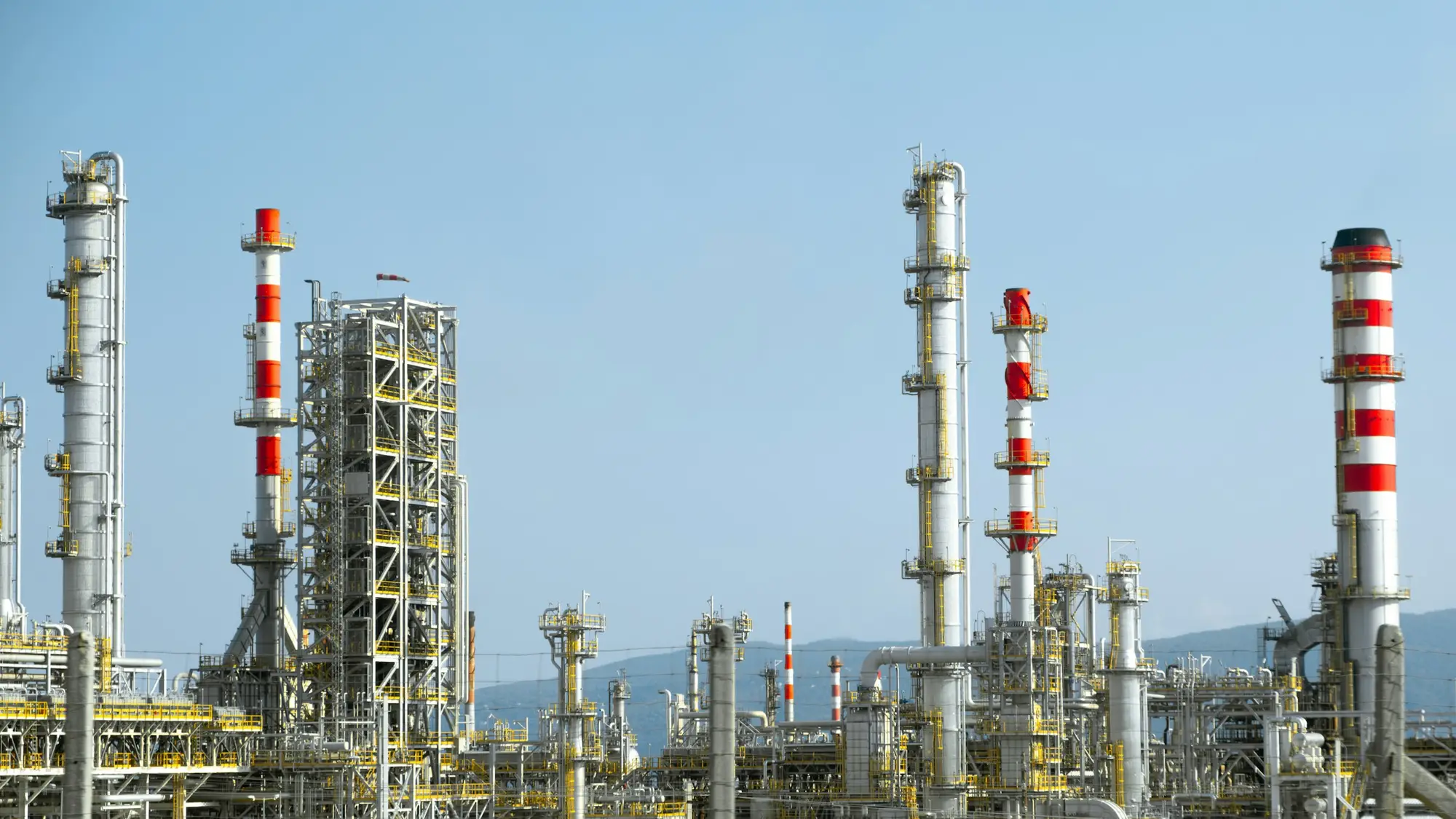
Vision agents for energy sites, with operators in charge
We build agents that watch the cameras already on your plant and remote sites, explain what is happening and alert the operator or control room that decides what to do.
What the cameras watch for on site
Hazardous sites need rules agreed with the people who run them. We settle what counts as an event before building.
- 01
PPE in hazardous areas
Hard hats, hi-vis, gloves and other equipment checked where required, with a still frame sent to the person who can act.
- 02
Exclusion and permit zones
People entering marked areas, or working in a zone without a permit on record, flagged to the control room.
- 03
Gauge and status reading
Dials, indicator lights and equipment status read between rounds and logged, with unusual readings passed to an operator.
- 04
Visible leaks and spills
Staining, pooling or visible vapour that a camera can see, raised for an operator to check in person.
- 05
Unmanned and remote sites
Gate, fence and compound views checked for people or vehicles outside planned visits, with a still frame for the on-call contact.
- 06
Vehicle and lifting movements
Vehicles in restricted routes or loads moving near people, logged with a short clip for review.
A shift at a site, as an event log
A scripted example of events from a few cameras across one shift: each alert, the person it goes to and the review step.
Step 1 of 7
- Vision agentPump area: person without hard hat
- Upcoming: Tank farm: person in exclusion zone
- Upcoming: Control room checks
- Upcoming: Compressor: gauge reading changed
- Upcoming: Wellhead: stain on ground
- Upcoming: Remote gate: vehicle at night
- Upcoming: Search the history
06:10
Pump area: person without hard hat
Someone enters the pump area without a hard hat. The alert goes to the area operator with a still frame.
- Camera
- Pump area
- Rule
- Hard hat required
- Sent to
- Area operator
Rules your team sets and changes
You decide what the agent looks for, who is told and how quickly. Rules are written down before launch and reviewed with your safety team.
- Zones and the permits they needPersonYour site team defines the zones and what counts as a valid permit. The agent only compares what you give it.
- Normal ranges for readingsPersonEngineers set the range for each gauge. Readings outside it go to an operator, not to an automatic response.
- Who is told, and whenPersonRouting by area, shift and severity, with a separate on-call route for unmanned sites.
- No control of plantPersonThe agent raises alerts only. It does not operate valves, switches or safety systems.
- What a person must reviewPersonEvery alert about people or equipment is reviewed by a named person before any follow-up.
Privacy and people on plant and remote sites
Operators, contractors and visitors are all on camera. These points are agreed with the site before a camera goes live.
- On your estateProcessing runs on site servers or in your private cloud, so raw video is not sent to applyd.ai.
- Limited connectivityRemote sites can process on the spot and send only short alerts and stills, rather than streaming everything.
- Contractors and visitorsSignage and induction briefings tell contractors and visitors that cameras are in use and why.
- Blurring, retention and assessmentBlurring and retention limits are set per camera, and we help with a data protection impact assessment and consultation.
Vision AI in practice
A short video showing how vision AI is used on a real site.
This is a third-party industry example from the company credited under the video. It is not an applyd.ai deployment or customer.
Source: Qualcomm
AI-based safety compliance monitoring
Common questions about this work
Other industries we cover
Keep reading related pages
- Video AI and vision agentsVision agents that watch camera feeds and alert the right person.
- Industrial AI for oil and gasProcess-area cameras, pump and compressor signals and OT security together.
- Physical AI for equipmentSensor intelligence that spots when equipment behaviour changes.
- OT CybersecurityA service to understand, strengthen and prepare industrial systems.
- Security overviewTenant isolation, access, audit and how agents are kept in bounds.