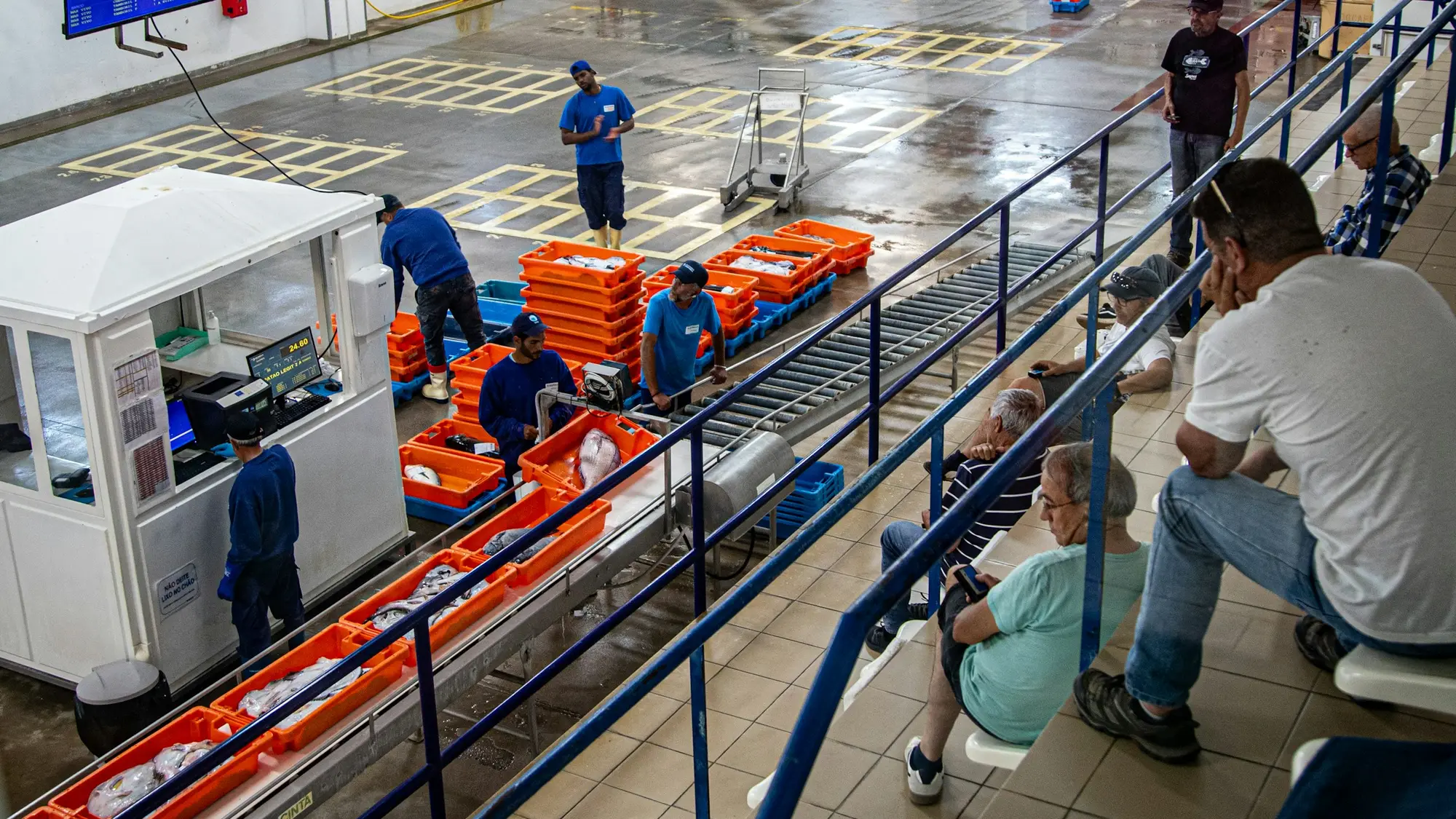
Vision agents for food production, with your quality team in charge
We build agents that watch the cameras already on your lines, say in plain language what is happening and alert the supervisor or quality lead who can act.
What the cameras watch for on site
Food sites have hygiene rules that vary by area. We agree each rule with your quality team before building.
- 01
Hygiene zone entry
People moving from a low-care to a high-care area without following the agreed route or changing step, flagged to the supervisor.
- 02
Hairnets, beard snoods and coats
Required coverings checked in the areas where they apply, with a still frame sent to the person who can act.
- 03
Hand-wash and sanitation steps
Whether the agreed steps were done before entering a zone, with a short clip kept as evidence for audits.
- 04
Cleaning and changeover checks
Whether a line was cleaned and set up in the agreed order after a changeover, logged for the quality record.
- 05
Foreign object and line faults
Visible foreign items on a belt or a stopped line, raised for an operator who decides whether to halt production.
- 06
Cold room and door discipline
Chilled and cold store doors left open, with the time they stayed open logged for the shift lead.
A shift in the plant, as an event log
A scripted example of events from a few cameras across one shift: each alert, the person it goes to and the review step.
- Vision agentHigh-care door: step skipped
- Upcoming: Line 2: no hairnet
- Upcoming: Line lead responds
- Upcoming: Line 2: item on belt
- Upcoming: Chiller door: open for 6 minutes
- Upcoming: Quality lead reviews the day
- Upcoming: Search the history
05:55
High-care door: step skipped
Someone enters the high-care area without using the agreed changing step. The supervisor is told with a still frame.
- Camera
- High-care entrance
- Sent to
- Hygiene supervisor
Rules your team sets and changes
You decide what the agent looks for, who is told and how quickly. Rules follow your own hygiene procedures and are written down before launch.
- Hygiene zones and routesPersonYour quality team defines the zones, the allowed routes and the changing steps for each.
- What each area requiresPersonCoverings and PPE are listed per area, because low-care and high-care rooms differ.
- Who is told, and whenPersonRouting by line, area and shift, so the right supervisor sees the right alert.
- Products stay with peoplePersonThe agent never holds, releases or rejects product. A named person makes that decision.
- What counts as audit evidencePersonYour team decides which events and clips are kept for audits and for how long.
Privacy and people in a food plant
Production staff are on camera for much of the day. These points are agreed with them before a camera goes live.
- Hygiene, not surveillanceRules look for coverings, steps and zones, not for who someone is. Alerts support hygiene, not performance scoring.
- Video stays with youProcessing runs on your own servers or private cloud, so raw video is not sent to applyd.ai.
- Changing areas and washroomsCameras do not belong in changing rooms or washrooms. We recommend views of entrances and production areas only.
- Blurring, retention and assessmentBlurring and retention limits are set per camera, and we help with a data protection impact assessment and consultation with staff.
Common questions about this work
Other industries we cover
Keep reading related pages
- Video AI and vision agentsVision agents that watch camera feeds and alert the right person.
- AI agent developmentAgents that use tools, with people approving risky actions.
- LLM integration and RAGAnswers grounded in your own documents and systems.
- AI consultingPick the use case and the simplest design before building.
- Security overviewTenant isolation, access, audit and how agents are kept in bounds.