Illustrative maintenance notification
HX-204 · Possible developing fouling
Cooling demand and pressure drop have increased at comparable operating load.
Supporting observations attachedMaintenance contact
See how video and sensor AI help teams recognise site activity, understand equipment behaviour and investigate developing faults, with OT security in view.
The same capabilities can support different operational challenges. Start with the one that looks like yours.
Give your team a more attentive view, using cameras already in place.
Restricted-area entry · Site-specific activity · Event notificationsMake equipment data easier to act on, with observations that support investigation.
Anomaly detection · Likely fault diagnosis · Maintenance insightKnow what is connected, who can reach it and where the boundaries are.
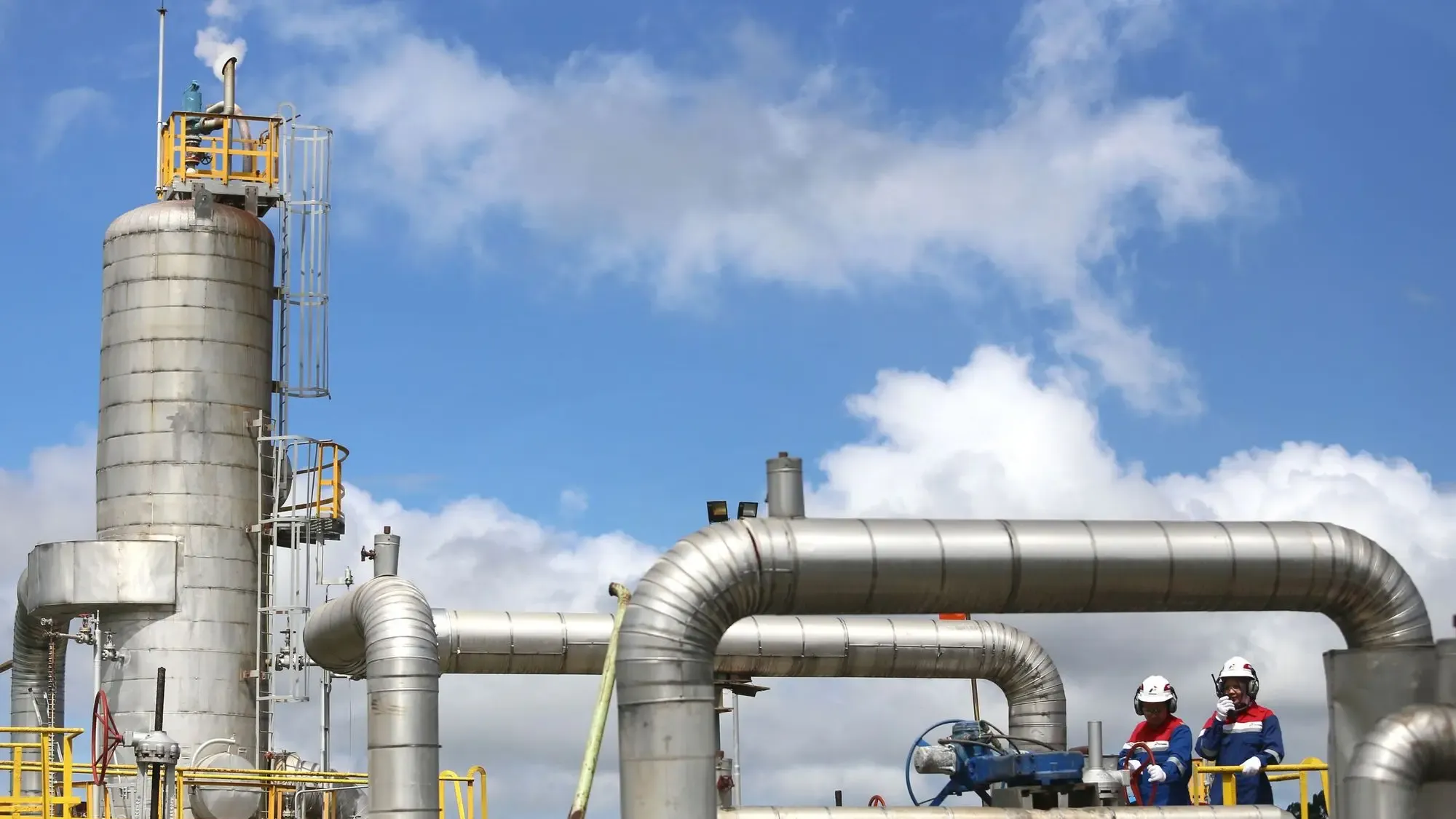
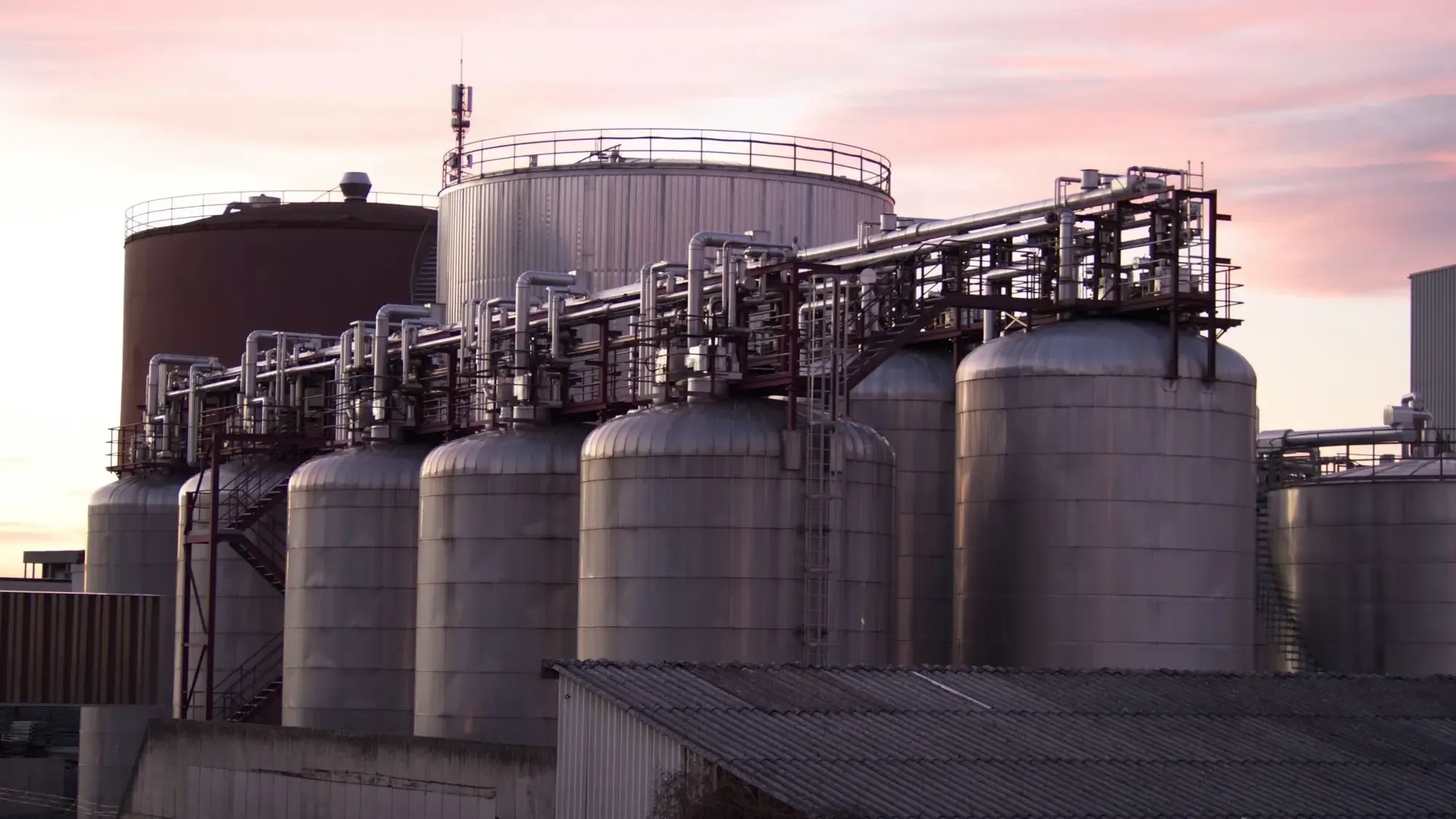
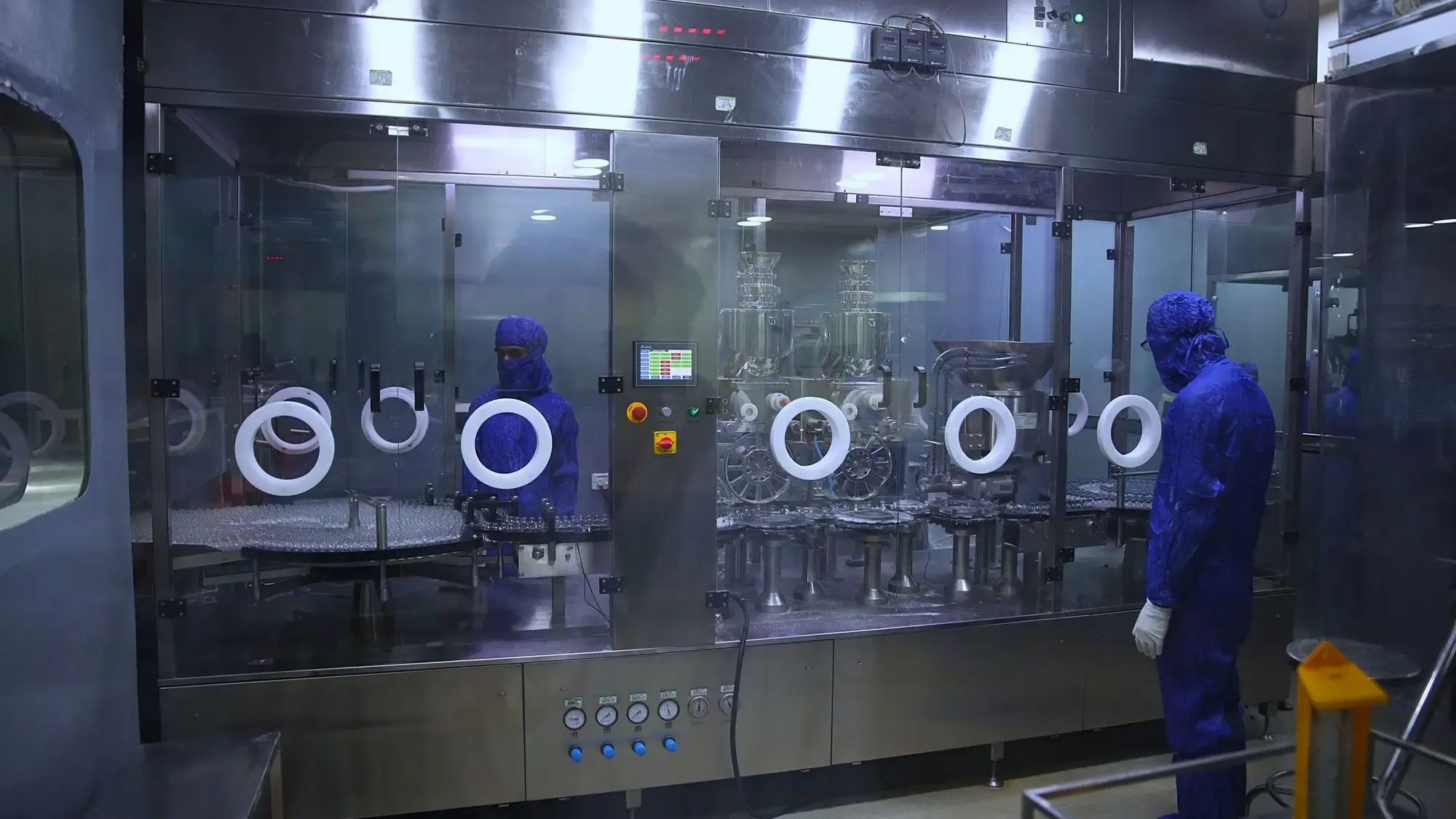
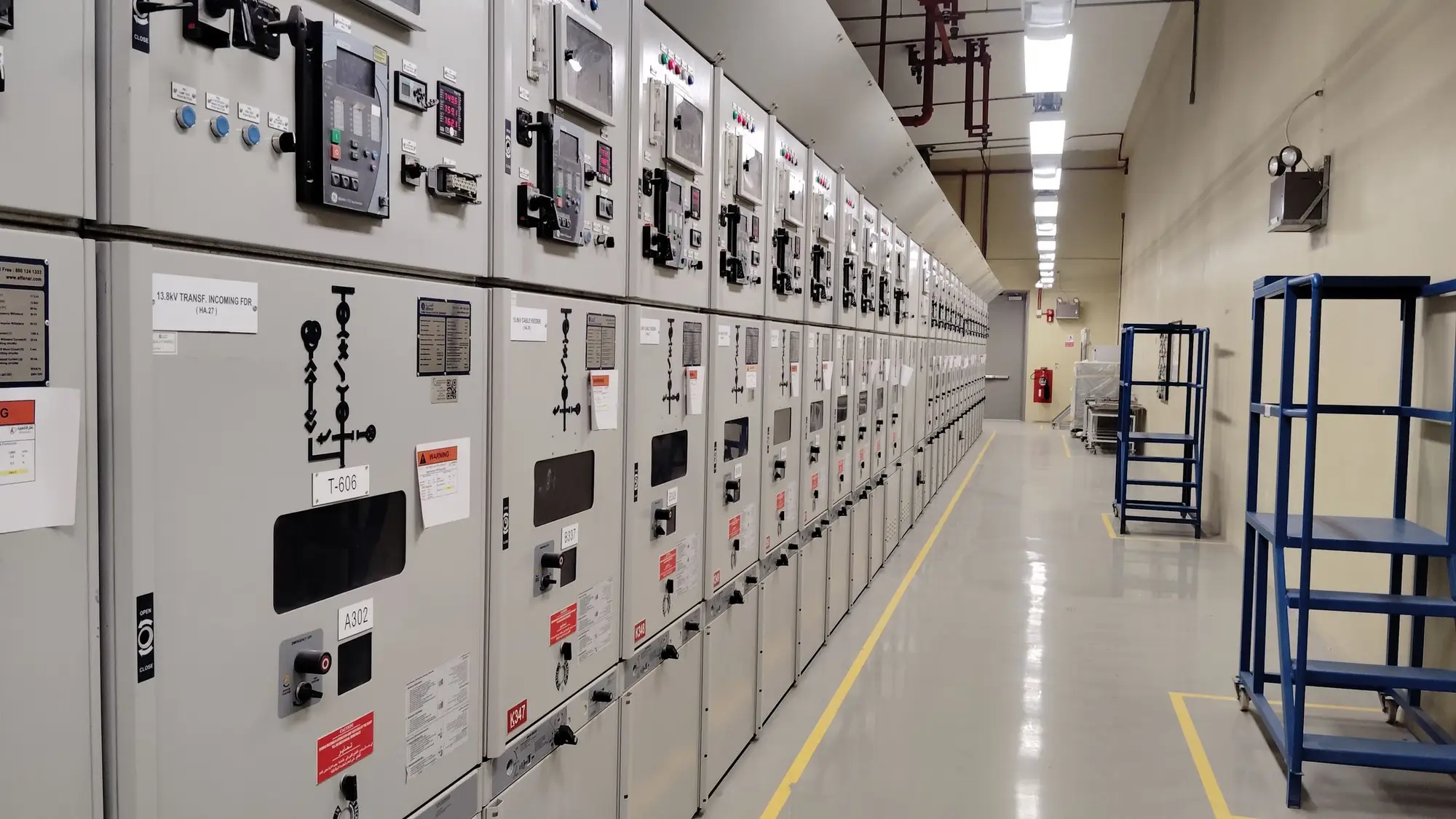
Asset visibility · Remote and vendor access · SegmentationChoose an environment to see relevant monitoring examples. Equipment, data availability and operating conditions determine the final application.
A heat exchanger holds its process outlet temperature, so that reading looks normal. But cooling flow is increasing and the pressure-drop trend is changing. Viewed together at comparable operating conditions, these signals can reveal declining performance, flagged as possible fouling for maintenance review.
Illustrative application. Interpretation depends on equipment design, available measurements and operating conditions. Values are simulated.
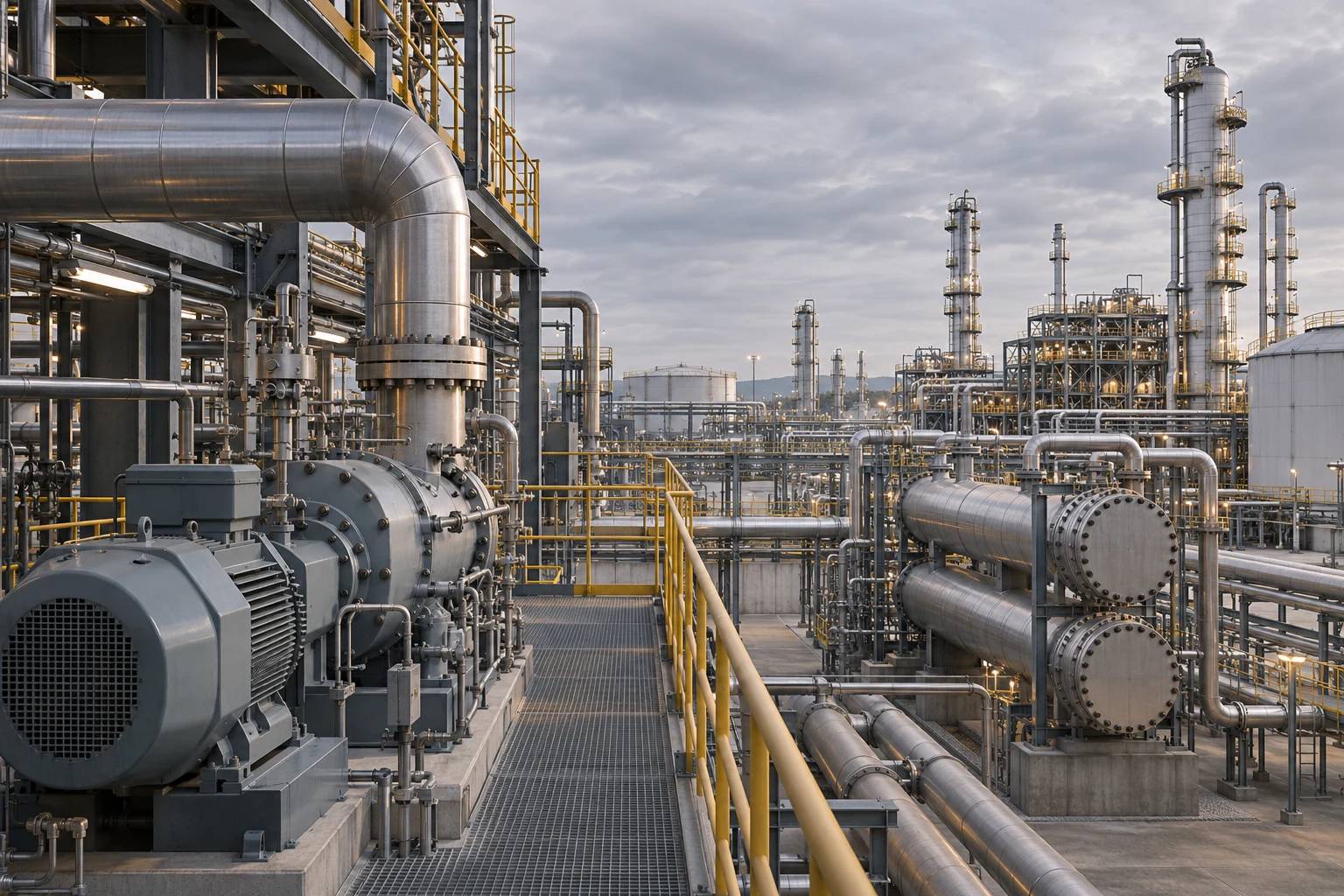
Pumps, compressors, heat exchangers and cooling systems appear in different industrial settings. Equipment behaviour and available sensor data shape the analysis, rather than the industry label alone.
Monitoring can extend to instrumented control valves, steam traps and other assets where suitable diagnostic data is available.
With three services: video AI on existing cameras for site activity, physical AI on equipment sensor data for developing faults, and OT cybersecurity for the systems that run the process. Applications are shaped for oil and gas, chemical plants, pharmaceuticals and power generation, and each starts with one area or one asset.
Whether the signal comes from a camera or a heat exchanger, your team receives a dashboard alert with the relevant observations. Notify the designated contact by email, Slack or another agreed channel.
Illustrative maintenance notification
Cooling demand and pressure drop have increased at comparable operating load.
Supporting observations attachedMaintenance contact
Connect existing camera feeds and equipment sensor systems, with on-site, cloud or hybrid deployment. Monitoring and notifications are configured around your infrastructure and team responsibilities.
We work with your team to understand the requirement, assess the data and validate a relevant application before deployment.
Identify equipment, site areas, available data and operational challenges.
Develop analysis, monitoring rules, dashboards and notifications.
Demonstrate the application and validate it against agreed scenarios.
Integrate into your environment and refine as requirements evolve.
Illustrative applications, not customer deployment claims.