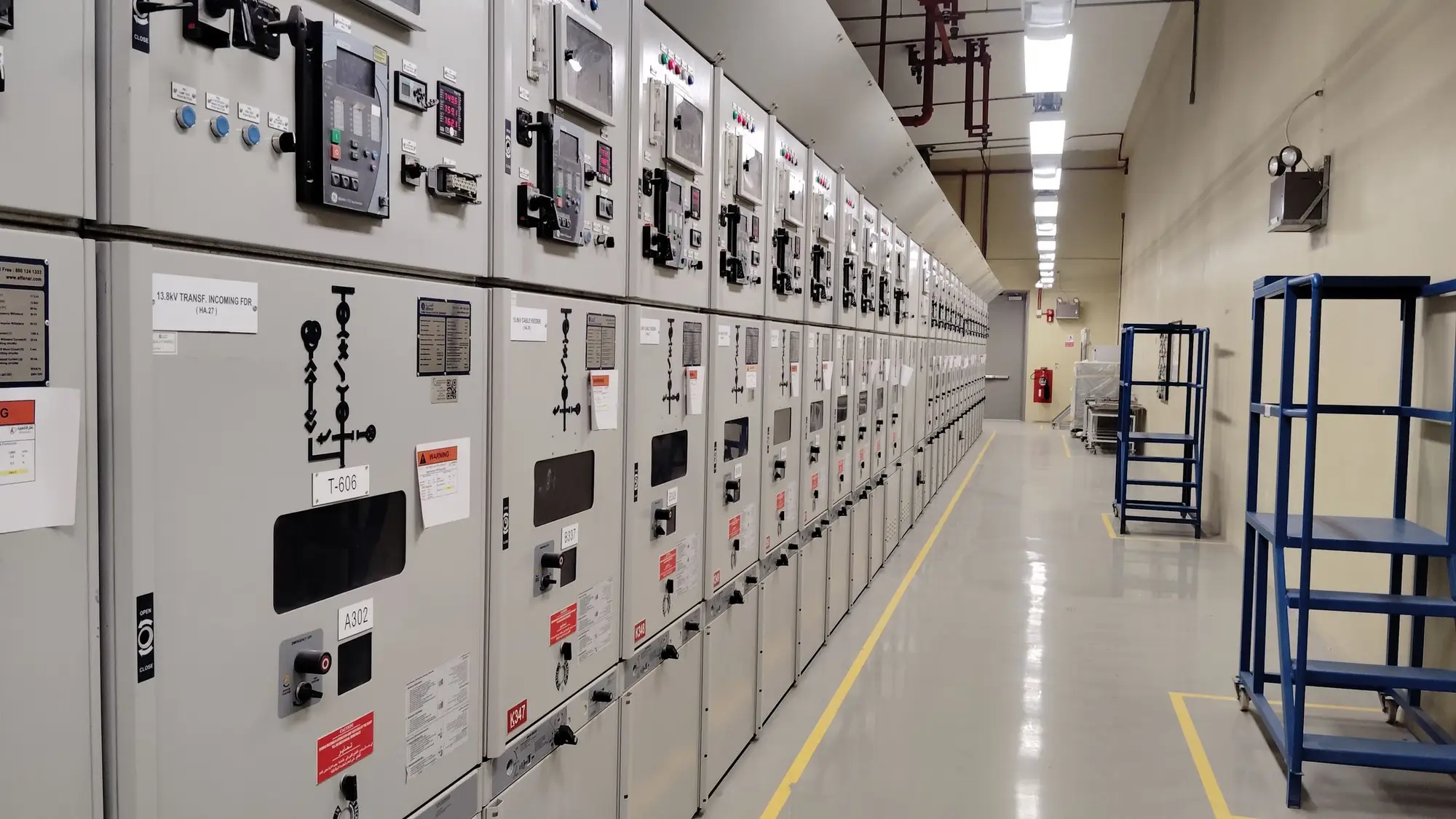
Plant areas in view. Rotating equipment understood.
A generating station is large, loud and full of rotating plant. Video AI helps keep work at height and restricted areas in view, and sensor analysis helps spot change in cooling and auxiliary equipment.
Generation equipment and auxiliary systems need different kinds of attention.
Generation equipment and auxiliary systems offer different monitoring opportunities, with analysis tailored to the asset and the operating load. A fan, a feedwater pump and a motor each tell their story in different measurements.
Planned maintenance periods bring their own risk: more people, more work at height, and more areas that are normally closed.
Recognise activity around designated plant areas.
Identify entry into restricted equipment zones, or monitor defined activity such as work at height during planned maintenance and scheduled operating periods.
- Entry into a restricted equipment zone
- Work at height during planned maintenance
- Movement in a monitored area outside scheduled periods
Investigate changes in cooling and auxiliary equipment.
Analyse fan, motor and pump behaviour to recognise abnormal patterns that may indicate developing mechanical or performance issues, interpreted against operating load.
Relevant inputs
- Vibration
- Bearing temperature
- Current
- Speed
- Pressure
Representative assets
- Cooling fans
- Feedwater pumps
- Motors
- Heat exchangers
Generation sites are connected well beyond the fence line.
Control, protection and monitoring systems link plant, contractors and remote support. Adding analysis is a good moment to check what is connected and who can reach it.
- Asset visibilityA current inventory of the plant controllers and gateways that monitoring will read from.
- Remote and vendor accessDefined, controlled routes for equipment suppliers and remote support.
- SegmentationBoundaries that keep monitoring flows away from control networks.
Start with one area. Or one fan, pump or motor.
- 01
Understand
Name the plant area or the auxiliary asset, and list the cameras and instruments already in place.
- 02
Develop
Define area events and activity at height, or the load-aware baselines for the equipment.
- 03
Validate
Review behaviour against agreed scenarios, including a planned maintenance period.
- 04
Deploy
Send alerts to the right contacts and refine with your operations and maintenance teams.
A typical first project is one fan, pump or work area.
At a generating station the first project works best when it matches something that is planned: one auxiliary asset, or one area during a maintenance period.
- ScopeOne cooling fan, feedwater pump or motor, or one restricted equipment zone. Behaviour is read against operating load, so the load range is part of the scope.
- Data to start withVibration, bearing temperature, current, speed and pressure for the asset, with load or output alongside. For an area, existing cameras and the schedule of planned work.
- Who is involvedA reliability or maintenance engineer, the shift or outage lead for the area, and a controls or OT contact for access to plant data.
- A successful evaluationLoad-aware baselines separate normal variation from real change, activity-at-height and zone alerts match the permits in force, and the maintenance team trusts the supporting observations.
Common questions about power generation
Tell us which area or asset matters. We will shape a demonstration around it.
Illustrative applications, not customer deployment claims.